
Sinks, tubs, toiletsFixture clogs cleared
Cause foundTraps, disposals and drain slope checked
Sewer or septicIn town and on county land
What Buckley’s sewer department wants kept out of your drains
Two warnings from the City of Buckley’s sewer department line up with what plugs most kitchen and bathroom drains.
The first is grease. The city runs a Fats, Oils and Grease program, and its list is longer than bacon fat: meat drippings, butter, lard, sauces, salad dressing, dairy and cooking oil. All of it goes down as a liquid, cools on the pipe wall and hardens. The city’s advice to residents is one word in capital letters: never.
The second is wipes. A city flyer explains that wipes, rags and towels don’t break down the way toilet paper does, and that they can block the side sewer on your own property before they ever reach the public main.
Where fixture clogs form
In the kitchen
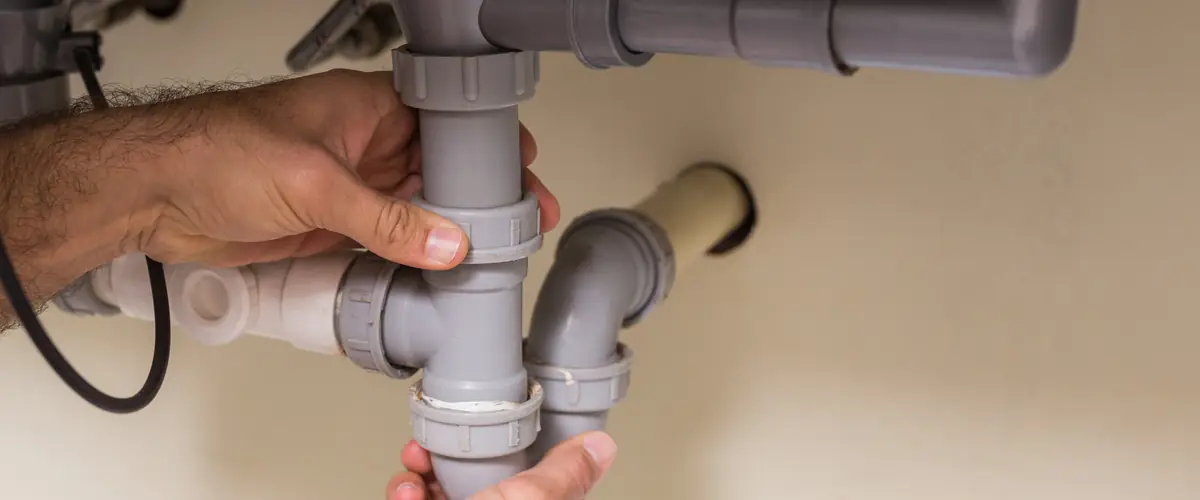
Grease and food solids collect in the trap and in the horizontal line behind the wall. Coffee grounds, rice and pasta pack in on top. A disposal that grinds poorly sends larger pieces down to join them.
In the bathroom
Hair wrapped around the stopper, bound with soap and toothpaste, closes off sinks and tubs. Toilets clog on wipes, too much paper, or a worn design that never flushed well.
Laundry standpipes do the same thing with lint. We open the drain, clear the blockage and run water to prove it.
One slow drain, or the whole house?
The pattern tells you where the blockage is.
- One fixture is slow: the clog is in its trap or branch line
- Tub and sink in the same bathroom: the shared branch behind them
- Toilet bubbles when the tub drains: farther down, toward the main
- Lowest drain backs up first: the main line or the side sewer
The first two are fixture clogs, and they’re the subject of this page. The last two call for drain cleaning in Buckley, and sometimes a camera down the side sewer. Tell us which pattern you have when you call, so we bring the right equipment.
On septic outside Buckley? Check the calendar
Inside the city limits, most homes drain to the City of Buckley’s sewer. On the county land around town, most properties are on septic. That matters for clogs in two ways.
A septic system is less forgiving. Grease, wipes and harsh drain chemicals end up in your own tank and drainfield instead of a treatment plant.
The season matters too. The main soil here, Buckley loam, holds a high water table through winter and spring, and the city’s sewer plan notes that drainfields in it generally don’t work properly in the rainy season. If every drain in a septic home slows down in the wet months and recovers in summer, the fixtures may be fine. We’ll clear what’s clogged in the house and tell you when the signs point to the septic system.
Clearing the clog, then the reason for it
A plunger or a hand auger gets water moving. If the same drain plugs again a month later, something is feeding it: a trap that’s corroded or badly sloped, a drain line that sags, a disposal past its working life, or a toilet that can’t clear its own bowl. Once the line is open, we look for that reason and tell you whether a small repair would end the cycle.
- Grease goes in a can, then the trash
- Strainers in tub and shower drains catch hair before the trap does
- Only toilet paper gets flushed
- Skip the drain chemicals. They’re hard on older pipe and on septic systems.
- Call when it slows, not when it stops
You get the price upfront, for the job, not by the hour, before we start.
Kitchen & Bathroom Clogs FAQs
Will the City of Buckley clear a clog in my house?
No. The city maintains the public sewer mains and the treatment plant. The drains inside your house, and the side sewer across your property, are private. The city’s own sewer flyer calls it your on-site side sewer. If you think the blockage is out in the public main, call Buckley Public Works. For anything on your side, call a plumber.
Are flushable wipes safe on Buckley’s sewer?
The city says no. Its sewer department flyer explains that, unlike toilet paper, wipes, rags and towels don’t break down after they’re flushed. They can block the side sewer on your property and cause trouble in the public system. They belong in the trash.
Can I rinse grease down the sink if I run hot water behind it?
It doesn’t help. Hot water carries the grease a little farther before it cools and hardens, which only moves the clog deeper into the line. Buckley’s Fats, Oils and Grease program puts it bluntly: never put it down the drain. Let it cool, then scrape it into the trash.
I’m on septic just outside Buckley, and every drain slows down in winter. Why?
It may not be a clog. The main soil around Buckley holds a high water table in winter and spring, and the city’s sewer plan notes that septic drainfields here generally don’t work properly during the rainy season. When a drainfield is saturated, the whole house drains slowly. We can check the fixtures and house drains, and we’ll tell you if the trouble looks like the septic system instead.
My disposal hums but won’t spin. Is the sink clogged?
Usually the disposal is jammed, not the drain. Something hard is wedged against the grinding plate. Switch it off and don’t keep running it, since a stalled motor overheats. If the reset button and a turn of the hex socket underneath don’t free it, we repair and replace disposals.