
Main and branch drainsCleared with professional machines
Hydro-jettingScours grease, sludge and roots
Camera inspectionWe look inside the pipe, not guess
When a drain needs more than a plunger
Some clogs are a fixture problem. Others are a sign that the line carrying waste away from your home is blocked, coated or damaged. Call us when you notice:
- Several drains slow or backing up at the same time
- Gurgling toilets when the washer or tub drains
- Water backing up at the lowest drain in the house
- Sewage smell in the yard, crawlspace or basement
- A drain that clogs again weeks after it was cleared
- Standing water around a floor drain or cleanout
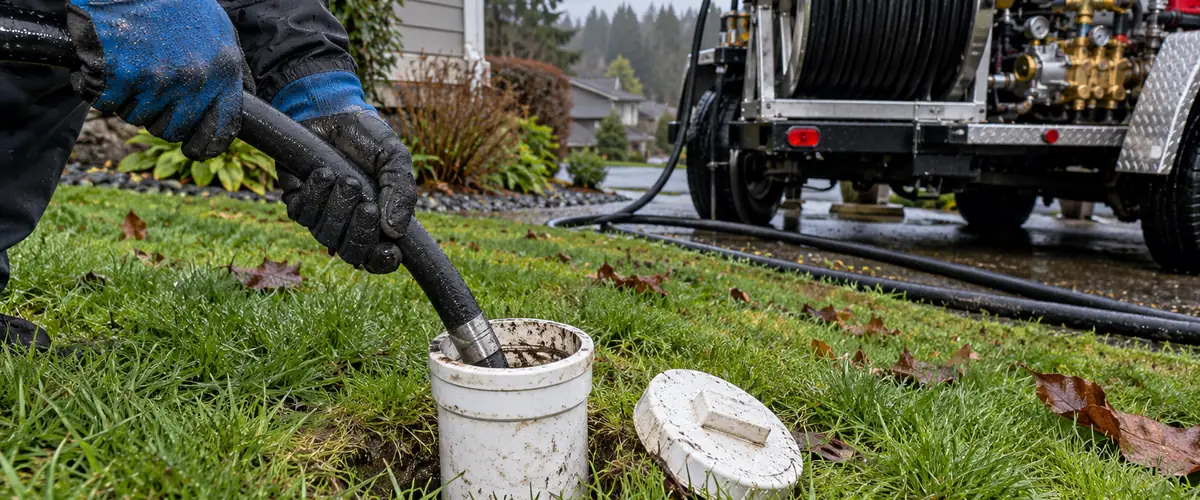
We bring the right equipment
Clearing a main line isn’t a plunger job, and a quick poke through a clog doesn’t last. We show up with professional equipment:
- Drain cleaning machines sized from small branch lines up to main lines
- Hydro-jetting, which uses high-pressure water to scour grease, sludge and root hair off the pipe wall
- Root-cutting heads for lines that trees have found
- Sewer and drain cameras, so we can look inside the pipe instead of guessing
Working around the Enumclaw Plateau, we see the same culprits over and over: kitchen grease that cooled and hardened in the line, roots from mature trees that found a cracked joint, wipes that were labeled “flushable,” and old lines that have lost their slope.
City sewer in town, septic out on the plateau
On city sewer
Your side sewer carries waste from the house to the city’s main in the street. It’s usually the homeowner’s to maintain, and it’s where most main line clogs happen.
On septic
Many rural properties and farms outside town run on septic. Grease, wipes and harsh chemicals cause trouble faster here, and a “clog” can sometimes be a full or failing tank, which we’ll tell you honestly.
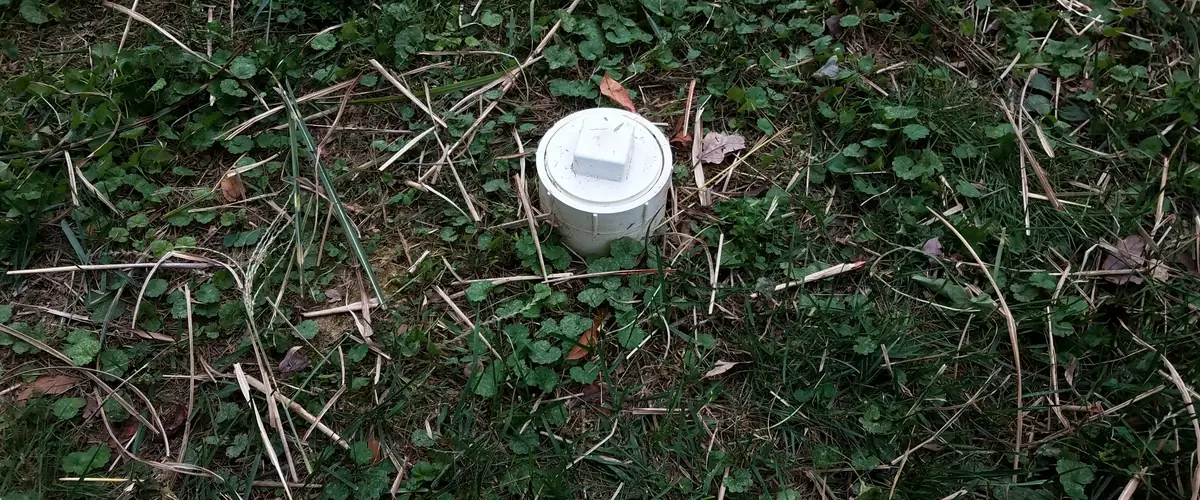
We show you what caused it
Clearing the blockage is the first half. The second is knowing why it happened, so you’re not calling again in three months. If the line keeps clogging, we can put a camera down it and show you what’s there: roots, a belly holding water, a broken section, or simply years of buildup. Then you get real options, with upfront pricing, by the job, not by the hour.
Is the problem further down the line? If the camera finds roots, a break or a collapsed section, see our sewer line services, including camera inspections, sewer cleaning and repair.
Drain Cleaning FAQs
How do I know the clog is in my main line, not one fixture?
The tell-tale signs are several fixtures acting up at once. A toilet gurgles when the washer drains, a tub backs up when you flush, or the lowest drain in the house floods first. A single slow sink is usually just that fixture's trap or branch line.
What's the difference between snaking and hydro-jetting?
A drain machine (a "snake") bores through a blockage and gets water moving again. Hydro-jetting uses high-pressure water to scour the inside of the pipe, clearing grease, sludge and root hair from the pipe wall. Jetting costs more, but it's much closer to a clean pipe than a hole through the clog.
Do tree roots really get into drain lines?
Yes, and it's common on the plateau, where mature trees sit close to older lines. Roots find a tiny crack or a loose joint, then grow toward the water. Cutting them clears the line, but a camera inspection tells you whether the pipe itself needs repair.
Will a drain cleaning damage my pipes?
Not when it's matched to the pipe. That's why we look first. Old, brittle or already broken pipe gets a gentler approach, and we'd rather tell you a line needs repair than blast it and make the problem worse.
How is drain cleaning priced?
Upfront, by the job, not by the hour. You'll know the price before we start.