Why it matters
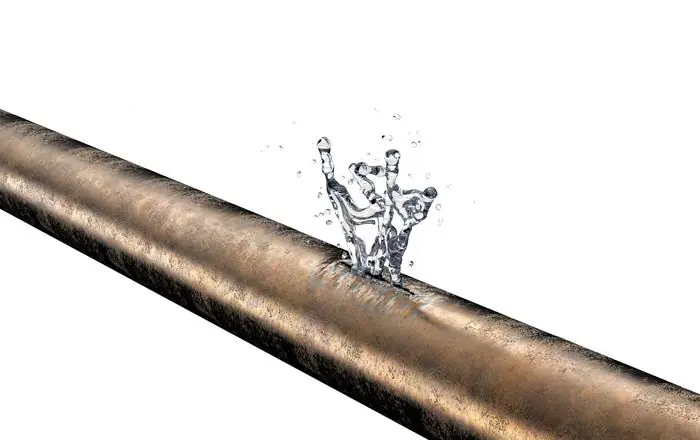
A split supply line or a burst pipe doesn’t stop on its own. Seattle Public Utilities gives the first step when a pipe breaks: close the main shutoff valve immediately to stop the flooding.
That only works if you can find the valve fast and it actually closes. Ready.gov recommends finding it, tagging it, and making sure everyone in the house knows where it is.
Find itWhere the main line enters the house
Test itMake sure it closes all the way
Tag itSo anyone at home can find it
Where to look
Ready.gov says the main shutoff sits on the main water line where it enters the house. Common places to find it:
- In the crawlspace, near where the line comes through the foundation
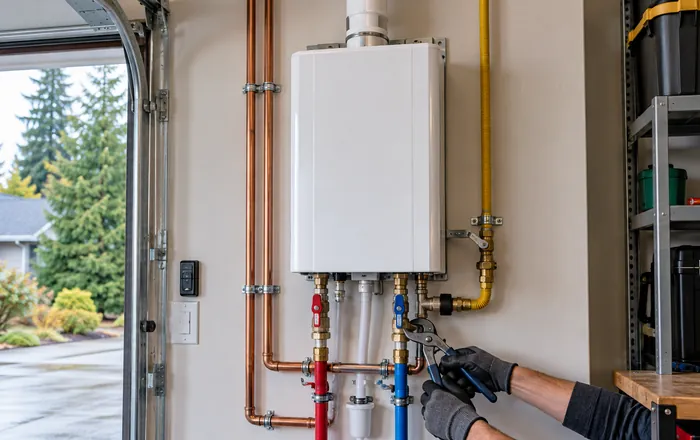
- In the garage, on the wall where the line comes in
- In a utility room or basement, near the water heater or laundry hookups
- Outside, close to the foundation, in some homes
- In the meter box, on the house side of the meter, in some homes
If you can’t find it, start at the water meter and think about the straightest path from there to the house. The valve is usually somewhere along that line, most often just inside the house.
Know your valve
Ball valve
A lever handle. It takes a quarter turn: when the lever runs across the pipe, the water is off. When it lines up with the pipe, it’s on.
Gate valve
A round wheel handle. Turn it clockwise, usually several full turns, until it stops. Older gate valves can stick or fail to close all the way.
Test it now
- Turn it off, then open a faucet to make sure the water actually stops.
- Don’t force it. Ready.gov warns that a valve may be rusted open or may not close all the way. If so, replace it.
- Tag it with a bright label so it’s easy to spot in a hurry.
- Show everyone in the house where it is and how it turns.
- Keep the path to it clear, especially if it’s in a crawlspace or behind storage in the garage.
The city’s valve at the meter isn’t your shutoff
Ready.gov is clear that the house valve is not the street valve in the box at the curb. That one is hard to turn and takes a special tool. Around here, the rules about who can touch it vary by town:
- Enumclaw: city code requires every customer to have their own shutoff valve, separate from the City’s. When the water needs to be off, you use your own valve. The City’s valve isn’t to be relied on.
- Buckley: city code makes it unlawful to open, close, turn on or turn off any city stop valve without the superintendent’s authorization.
- Auburn: if water is turned back on without the City’s approval, city code lets the City shut off and lock the meter.
- Water districts: some, like Covington Water District, explain how customers can turn the meter valve themselves. Others warn about tamper fees. Check your district’s rules first.
The safe plan everywhere: know your own valve on the house side of the meter and use that one. If your valve sits in the meter box on the house side, that one is yours.
After you shut the water off
If you see water in the meter box instead of inside the house, call your water utility. Leaks on your side of the meter are usually the owner’s to repair, and that’s where we come in. Call us at 360-829-7440. We’re on call 24/7, weekends included. We’ll find the leak and give you an upfront price for the repair before we start. See our water leak repair service for how we track leaks down.
Just one fixture leaking?
Most toilets and sinks have their own small shutoff valve on the supply line underneath. For a leak at a single fixture, closing that stop may be all you need until the repair. If it won’t close, or the leak is in the wall or ceiling, go to the main.
Getting ready for winter? Knowing your main shutoff is step one. Our frozen pipe checklist covers the rest.
Questions We Hear
Can I just use the city’s valve at the meter?
Don’t count on it. Enumclaw’s code says customers must use their own valve and not rely on the City’s, and Buckley’s code bars anyone from operating a city valve without authorization. Some water districts do explain how customers can turn the meter valve. Check your own utility’s rules, and rely on your own valve on the house side of the meter.
What if my house doesn’t have its own shutoff?
Have one installed. Enumclaw’s code requires every customer to have a shutoff valve of their own, separate from the City’s, and the City asks homeowners to put it on the house side of the meter. Adding one is plumbing work we do.
My shutoff is old and hard to turn. What should I do?
Don’t force it. If it’s rusted open or won’t shut the water off completely, Ready.gov’s advice is to replace it.
How do I shut off water to just one toilet or sink?
Most toilets and sinks have their own small shutoff valve on the supply line underneath. Turn it clockwise until it stops. If it won’t close or starts to drip, close the main shutoff and call us.